CultureCon and the Museum of Us- Day 1 in review
By Bridget Arnwine
If you prompt a search engine to find the main purpose of a museum, it will state that museums "preserve, study, and display cultural, historical, and scientific objects to educate the public and connect communities to their shared heritage." For centuries, one of the greatest, most neutral yet unifying ways to share information about history and the communities that center that history was the museum. Today, museums, the history that revealed the origins of our nation and its foundation, and the sordid truth about the disparate treatment of the very communities that shaped our nation are all seemingly under attack.
History often associated with the experiences of people of color, a people whose forced labor was central to the growth of this nation, was being targeted as anti-American rhetoric. Books and displays are being removed from library shelves and museum walls, altered, and tagged as historically inaccurate simply because the nation that governs us deems it troubling and unpleasant. The idea that the history and experiences of a people whose ancestors shaped the foundation of this great land could be considered anything but American is quite troubling, but the fact that today, many of us are finding new ways to share our stories is a testament to the resilience of a people who never stopped telling them.
Fast-forward to this past Saturday, and 2026 CultureCon's theme was the Museum of Us. On the surface, the theme seemed almost incongruous for a festival that uses celebrity changemakers to encourage, inspire, and uplift entrepreneurs, innovators, and influencers. But stepping across the threshold of the Duggal Greenhouse at the Brooklyn Navy Yard, the concept made perfect sense. The artwork decorating the walls, the blue drapes surrounding the stage, the burgundy backdrop and gold tables, the flowers adorning the gold tables positioned appropriately between presenters, and the expressive, bold attire worn by the day's attendees transformed the space into something more than a venue. It felt like an exhibition, one where we weren't simply looking at the people and stories being preserved. We were the exhibit.
The Museum of Us wasn't defined solely by what decorated the walls or surrounded the stage. Its most important exhibits were the people who walked through the doors, bringing with them their stories, ideas, creativity, and lived experiences. And what did being the exhibit look like at a time when society wants some of us to be neither seen nor heard? It looked like big, beautiful bodies dancing down the aisles, small powerful voices singing from the crowd, proud and bold bodies posing and displaying their style, weary yet hopeful souls worshipping; it looked like afroed hair, locs, bouncy curls, cornrows, twists, and buss downs; it looked like curious faces, confused faces, expectant faces waiting their turn in line. It looked like entrepreneurs, students, content creators, 9-to-5 hobbyists, and a few of us Gen-X stragglers all searching for shared wisdom and community.
If the people in the room were the exhibits, the day's conversations were the stories attached to them. Emmy-Award-winning actress Niecy Nash spoke with entertainment correspondent Scott Evans about authenticity, creating your own reality based on what you believe about yourself, and how serving others will help you get where you belong. New York City Mayor and local rockstar Zohran Mamdani spoke about the importance of caring about something beyond oneself and what it means to build trust among a community. Actress and director Salli Richardson-Whitfield discussed the historical relevance of how Black stories are told on her show "The Gilded Age." Across the stage, the message was remarkably consistent: our stories matter, our voices matter, and what we choose to do with both can shape the world around us.
Perhaps that's the beauty of a Museum of Us: unlike museums housed in buildings, this one doesn't end when the doors close. We carry the stories, lessons, inspiration, and memories with us when we leave. At a time when some people are being told their stories are too uncomfortable, too complicated, or too inconvenient to be preserved, perhaps the most powerful response is to keep telling them. And when we tell those stories, when we share our history, we should speak loudly, create boldly, and gather in community to support one another. The museum may have been housed inside the Duggal Greenhouse, but the collection didn't stay there. We carried it with us when we left.
Here's day 1 in pictures. CultureCon provided the pictures of Niecy Nash and Scott Evans, Michael B. Jordan, Mayor Mamdani, Imani Ellis, and Daniel Kaluuya. If you prompt a search engine to find the main purpose of a museum, it will state that museums "preserve, study, and display cultural, historical, and scientific objects to educate the public and connect communities to their shared heritage." For centuries, one of the greatest, most neutral yet unifying ways to share information about history and the communities that center that history was the museum. Today, museums, the history that revealed the origins of our nation and its foundation, and the sordid truth about the disparate treatment of the very communities that shaped our nation are all seemingly under attack.
History often associated with the experiences of people of color, a people whose forced labor was central to the growth of this nation, was being targeted as anti-American rhetoric. Books and displays are being removed from library shelves and museum walls, altered, and tagged as historically inaccurate simply because the nation that governs us deems it troubling and unpleasant. The idea that the history and experiences of a people whose ancestors shaped the foundation of this great land could be considered anything but American is quite troubling, but the fact that today, many of us are finding new ways to share our stories is a testament to the resilience of a people who never stopped telling them.
Fast-forward to this past Saturday, and 2026 CultureCon's theme was the Museum of Us. On the surface, the theme seemed almost incongruous for a festival that uses celebrity change-makers to encourage, inspire, and uplift entrepreneurs, innovators, and influencers. But stepping across the threshold of the Duggal Greenhouse at the Brooklyn Navy Yard, the concept made perfect sense. The artwork decorating the walls, the blue drapes surrounding the stage, the burgundy backdrop and gold tables, the flowers adorning the gold tables positioned appropriately between presenters, and the expressive, bold attire worn by the day's attendees transformed the space into something more than a venue. It felt like an exhibition, one where we weren't simply looking at the people and stories being preserved. We were the exhibit.
The Museum of Us wasn't defined solely by what decorated the walls or surrounded the stage. Its most important exhibits were the people who walked through the doors, bringing with them their stories, ideas, creativity, and lived experiences. And what did being the exhibit look like at a time when society wants some of us to be neither seen nor heard? It looked like big, beautiful bodies dancing down the aisles, small powerful voices singing from the crowd, proud and bold bodies posing and displaying their style, weary yet hopeful souls worshipping; it looked like afroed hair, locs, bouncy curls, cornrows, twists, and buss downs; it looked like curious faces, confused faces, expectant faces waiting their turn in line. It looked like entrepreneurs, students, content creators, 9-to-5 hobbyists, and a few of us Gen-X stragglers all searching for shared wisdom and community.
If the people in the room were the exhibits, the day's conversations were the stories attached to them. Emmy-Award-winning actress Niecy Nash-Betts spoke with entertainment correspondent Scott Evans about authenticity, creating your own reality based on what you believe about yourself, and how serving others will help you get where you belong. New York City Mayor and local rockstar Zohran Mamdani spoke about the importance of caring about something beyond oneself and what it means to build trust among a community. Actress and director Salli Richardson-Whitfield discussed the historical relevance of how Black stories are told on her show "The Gilded Age." Across the stage, the message was remarkably consistent: our stories matter, our voices matter, and what we choose to do with both can shape the world around us.
Perhaps that's the beauty of a Museum of Us: unlike museums housed in buildings, this one doesn't end when the doors close. We carry the stories, lessons, inspiration, and memories with us when we leave. At a time when some people are being told their stories are too uncomfortable, too complicated, or too inconvenient to be preserved, perhaps the most powerful response is to keep telling them. And when we tell those stories, when we share our history, we should speak loudly, create boldly, and gather in community to support one another. The museum may have been housed inside the Duggal Greenhouse, but the collection didn't stay there. We carried it with us when we left.
Here's day 1 in pictures. CultureCon provided the pictures of Niecy Nash and Scott Evans, Michael B. Jordan, Mayor Mamdani, Imani Ellis, and Daniel Kaluuya.
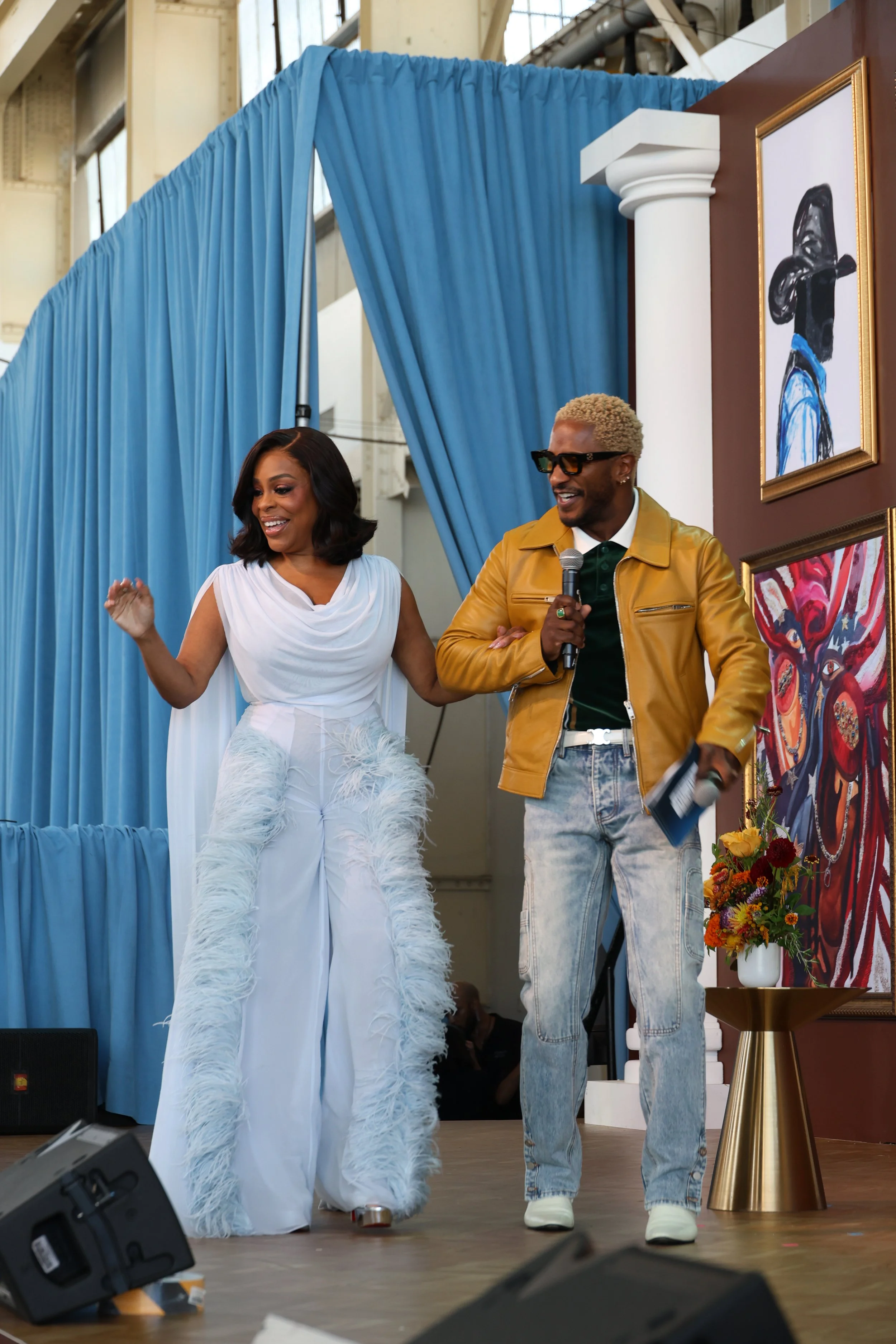
Emmy-Award-winning actress Niecy Nash-Betts and entertainment correspondent Scott Evans
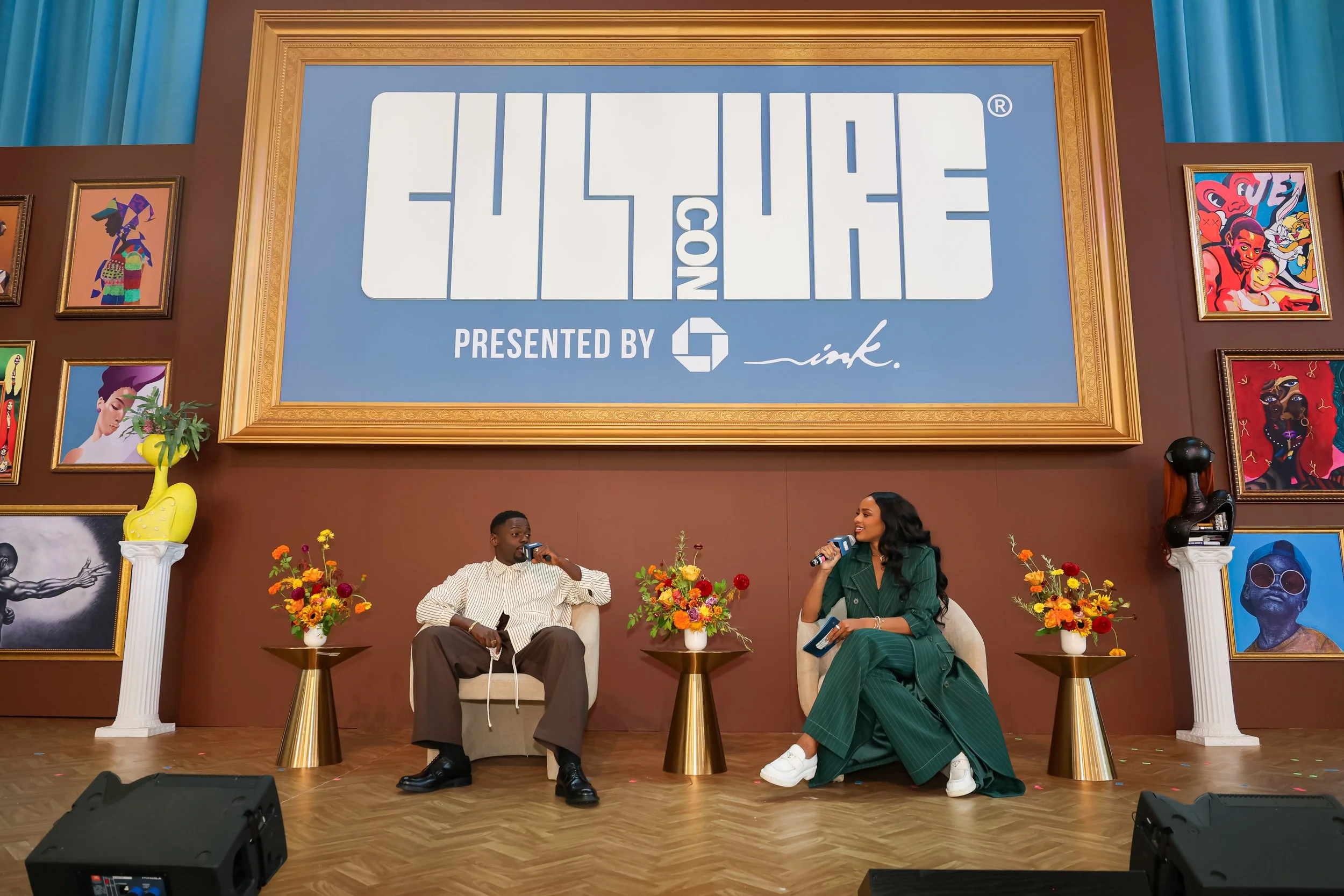
Academy-Award-winning actor Daniel Kaluuya and CultureCon founder Imani Ellis
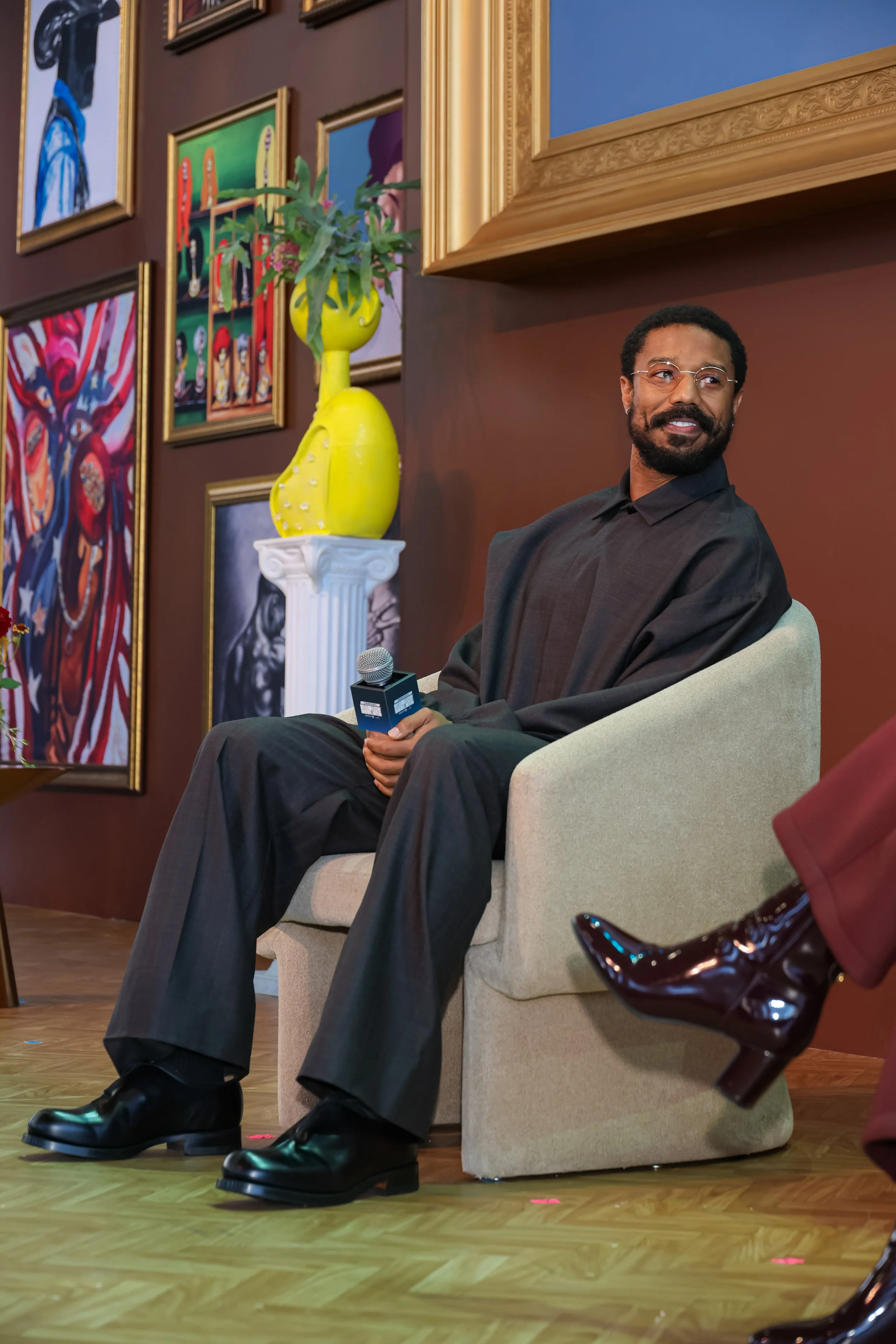
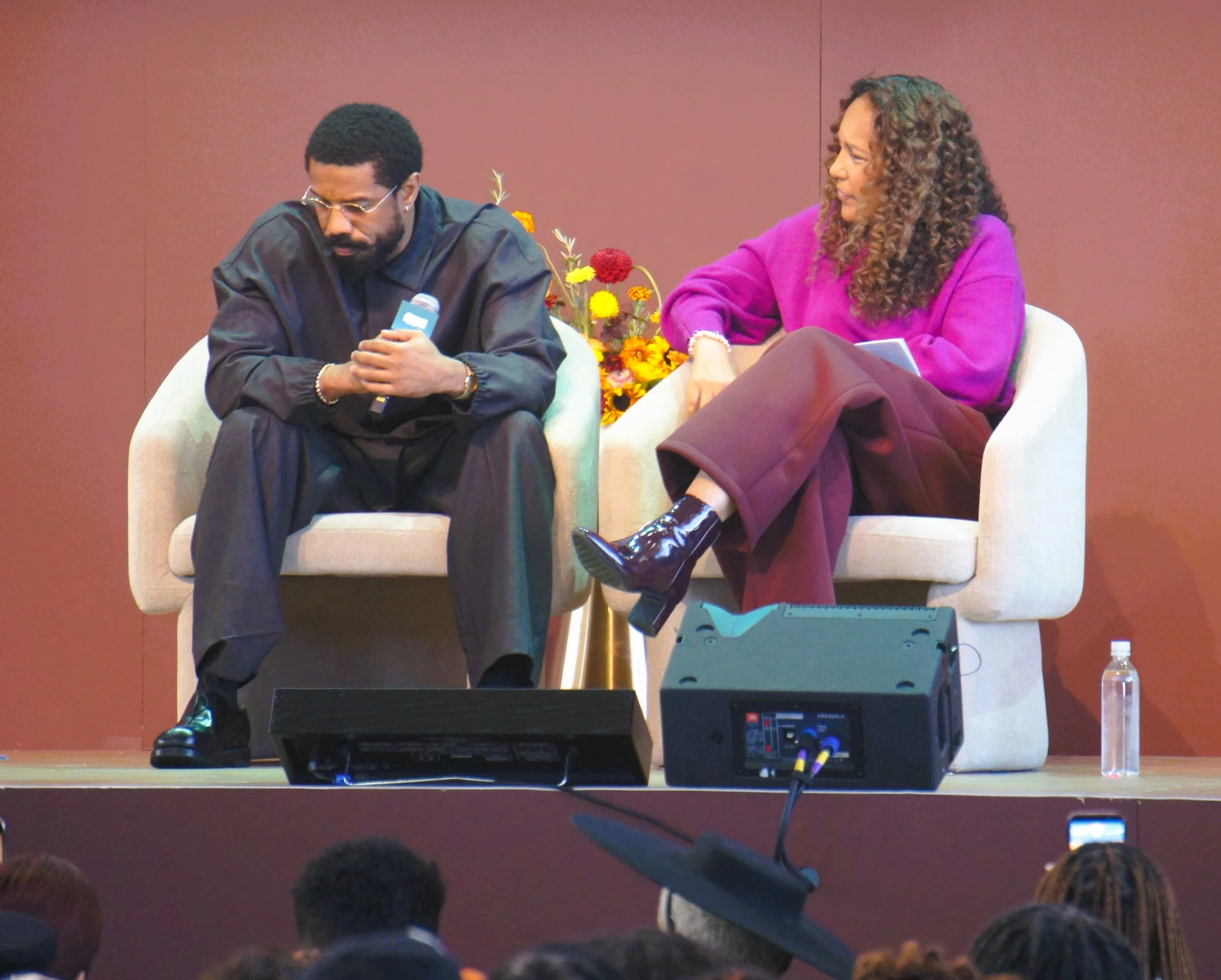
Academy-Award-winning actor Michael B. Jordan during his sit down with director Gina Prince-Bythewood
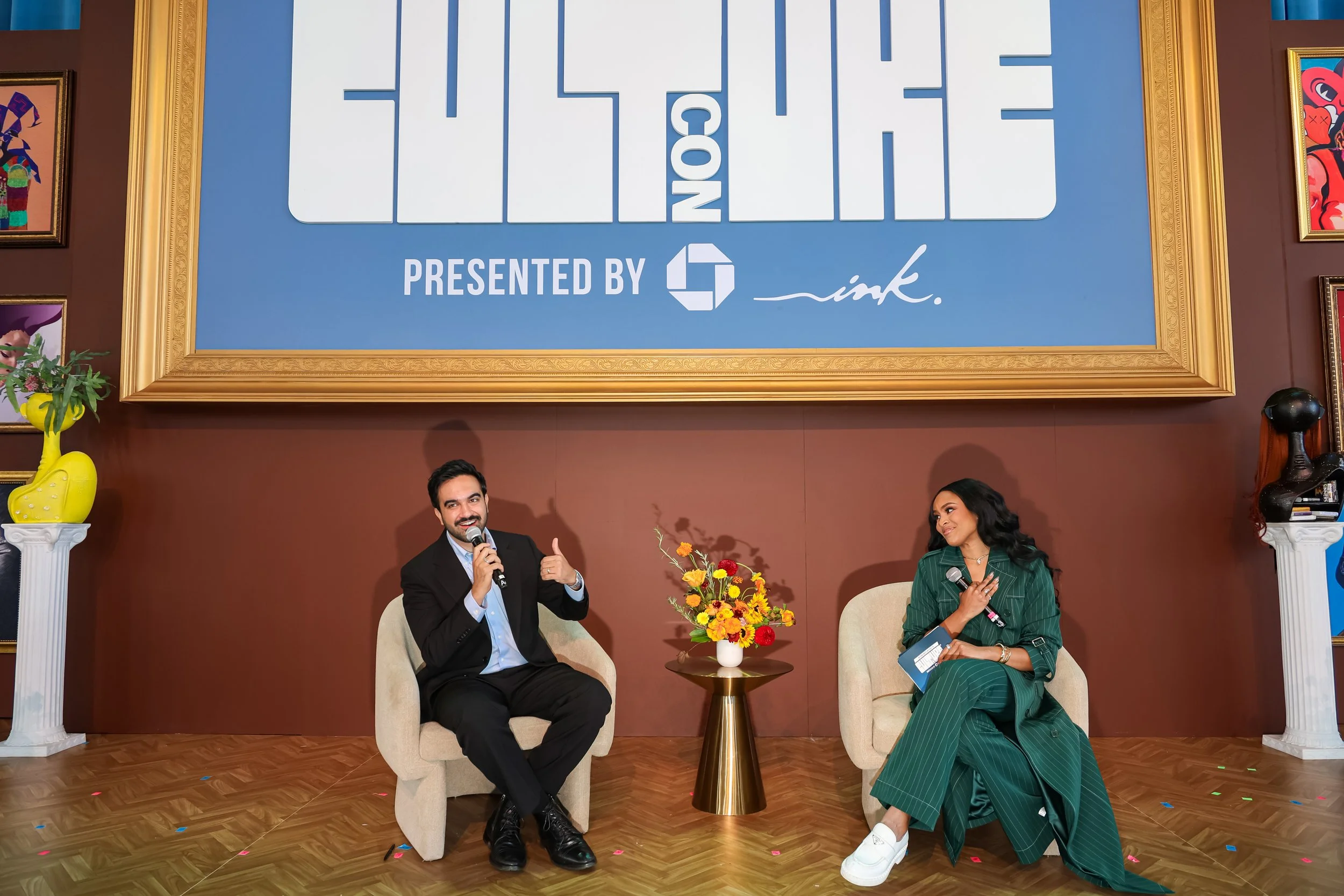
New York City Mayor Zohran Mamdani and Imani Ellis
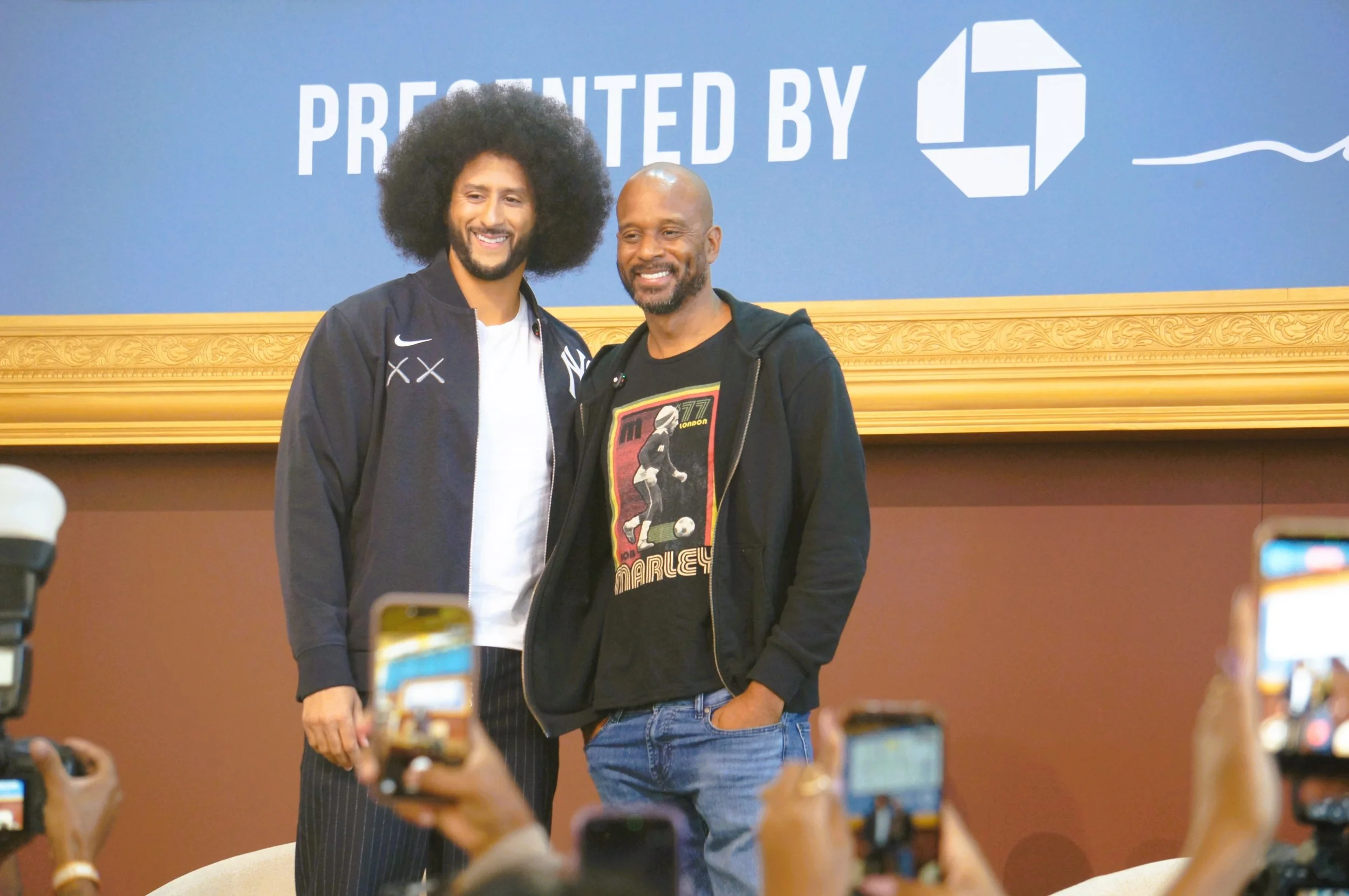
Former NFL Quarterback and activist Colin Kaepernick and sports journalist Bomani Jones (photo by Bridget Arnwine)
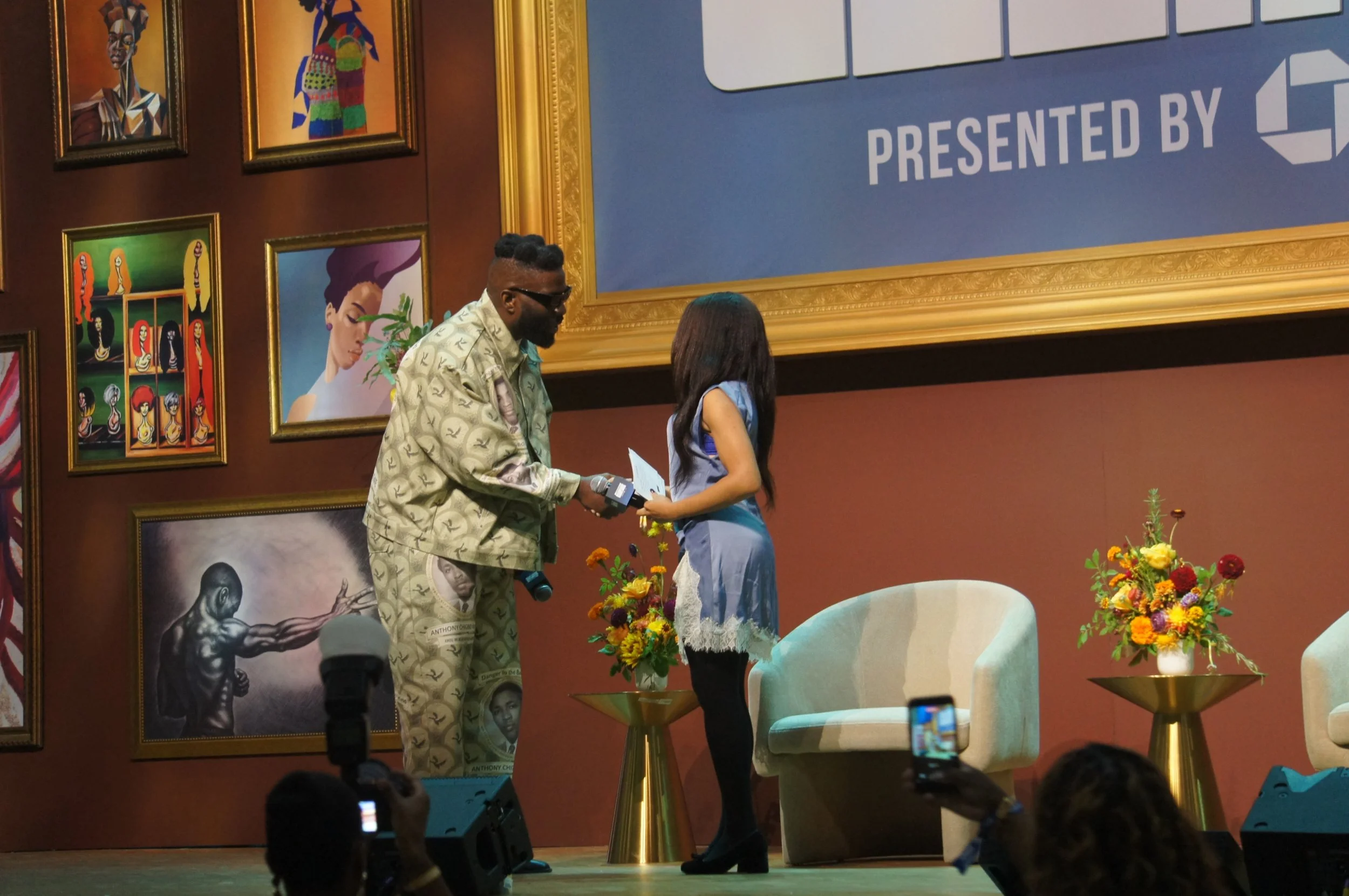
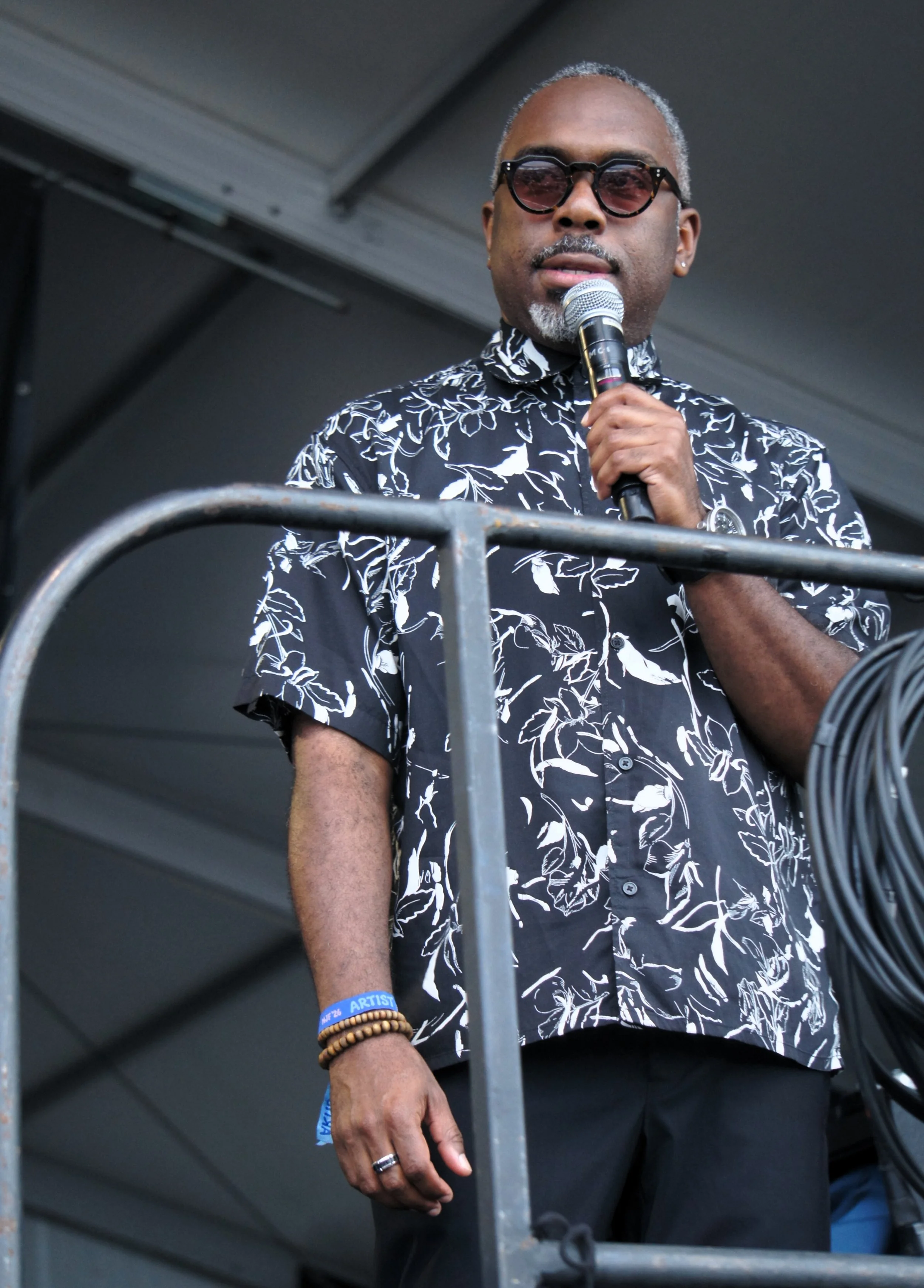
Grammy-nominated rapper and actor Tobe Nwige (photo by Bridget Arnwine)
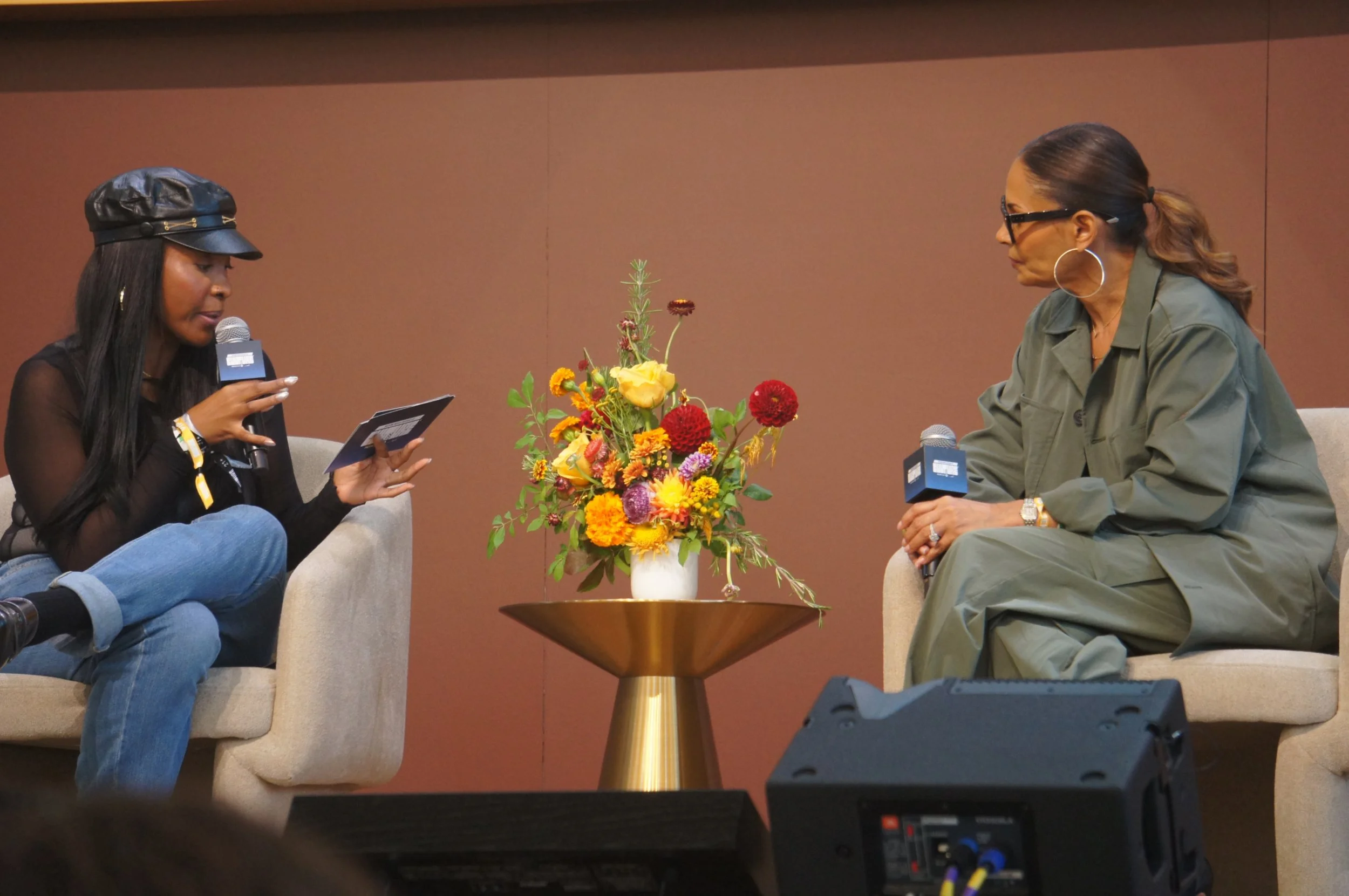
(right) Actress/director Salli Richardson-Whitfield in conversation (photo by Bridget Arnwine)
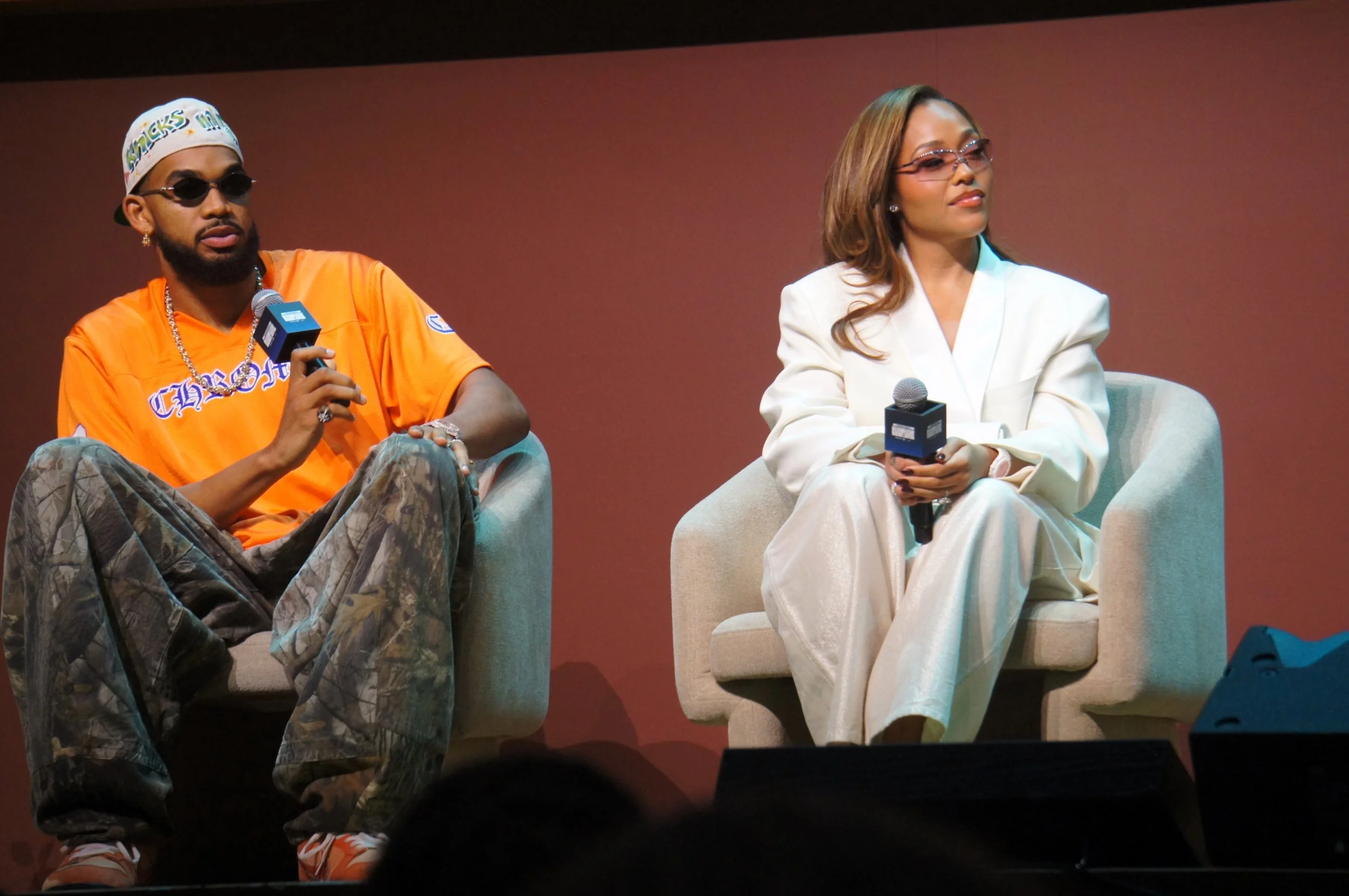
New York Knicks superstar Karl-Anthony Towns and his wife entrepreneur Jordyn Woods (photo by Bridget Arnwine)